How does Niacinamide work to improve pigmentation?
Niacinamide, also known as vitamin B3, has the ability to affect the melanin transportation process in the skin. Instead of directly inhibiting the enzyme that creates pigmentation like some other active ingredients, niacinamide reduces the transfer of melanin from melanocytes to the surface of the skin.
Thanks to this mechanism, dark pigmented areas can gradually become lighter over time. When the melanin transportation process is controlled, the appearance of new brown spots can also be limited.
In addition to improving pigmentation, niacinamide also helps strengthen the skin barrier and enhance moisture retention. A healthy and adequately hydrated skin will be less sensitive to environmental stressors, thus reducing the risk of stimulating melanin production.
Why should you use niacinamide in the morning?
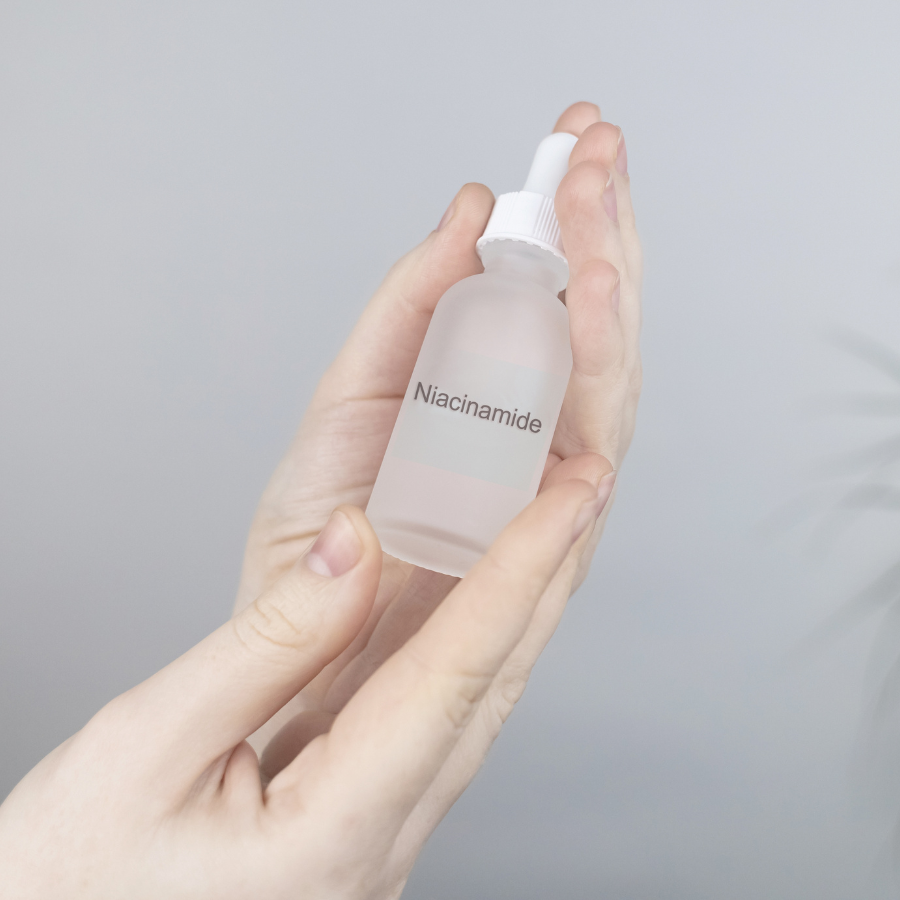
Many people usually use skin brightening products in the evening, but niacinamide can be effective when used in the morning. When used during the day, niacinamide helps strengthen the skin barrier and support reducing the impact of oxidative stress factors from the environment.
Throughout the day, the skin is exposed to sunlight, pollution, and many factors that can stimulate melanin production. Niacinamide enhances the skin's resilience against these factors. When combined with sunscreen, the effectiveness of skin protection and the limitation of new pigmentation formation will be significantly increased. However, to maximize the role of niacinamide, proper usage and appropriate pH environment are crucial.
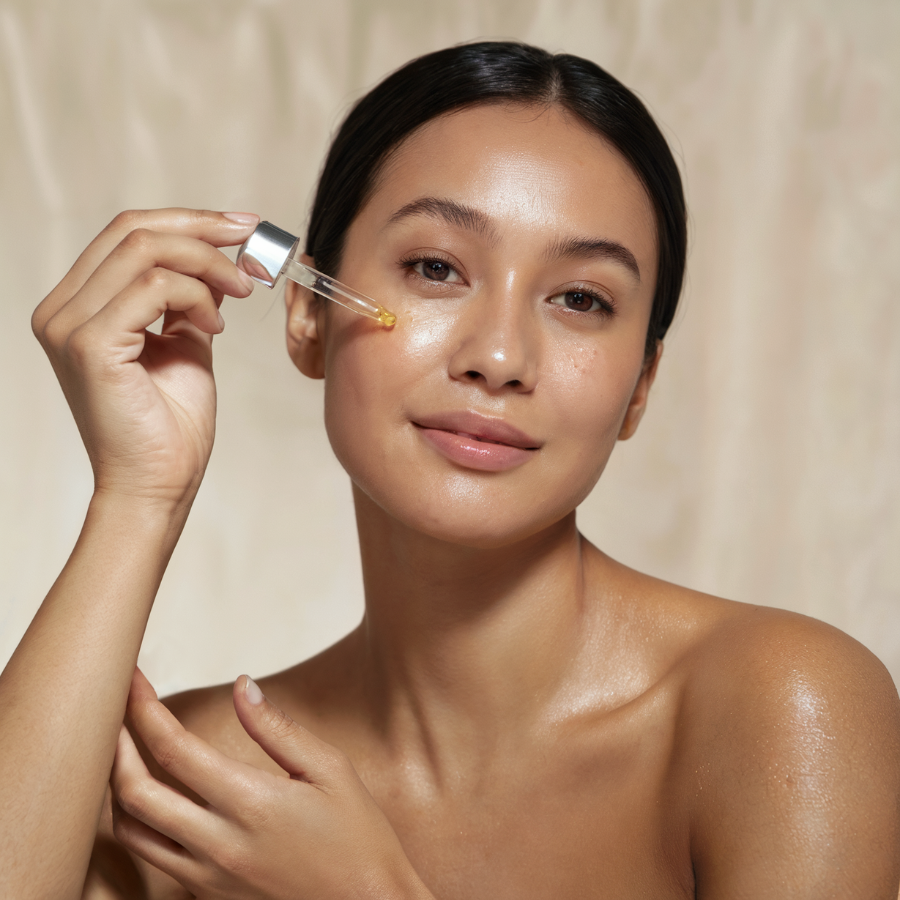
Niacinamide works best in a neutral pH environment
A factor often overlooked when using niacinamide is the pH environment. This active ingredient works best at a pH around 6 to 7, which is a nearly neutral environment.
If used right after products with strong acidic properties, the effectiveness of niacinamide may be affected. In some cases, it can even cause a slight stinging sensation on the skin.
Therefore, in the morning skincare routine, niacinamide is usually recommended to be used after light moisturizing products like HA serums, instead of directly following acidic products.
How to use niacinamide in the morning?
A proper morning routine helps niacinamide work more effectively and reduces the risk of irritation. The first step is still to cleanse the skin with a cleanser or face wash to remove excess oil and accumulated dirt overnight.
After cleansing, a hyaluronic acid serum can be used to hydrate the skin. When the skin is adequately hydrated, it becomes softer, and subsequent active ingredients are more easily absorbed.
Next is the step of applying niacinamide with the appropriate concentration, usually around 10 to 20% if the goal is to improve long-standing pigmentation. After niacinamide is absorbed into the skin, a light moisturizer can be used if the skin feels dry.
The last and most important step in the morning routine is sunscreen. This is an essential factor in the process of improving freckles and brown spots.
Why shouldn't you use niacinamide with vitamin C and BHA in the same routine?
A common question is whether niacinamide can be combined with vitamin C or BHA in the same skincare routine. In theory, these ingredients can still be used together in a routine if properly formulated.
However, in daily skincare practice, using niacinamide with strong acidic ingredients at the same time can affect the stability of the product or make the skin more sensitive.
Therefore, many experts often recommend separating these active ingredients. For example, niacinamide can be used in the morning, while vitamin C or BHA can be used in the evening.
Consistency is the key to enhancing pigmentation improvement
An important thing to remember when using niacinamide is that results do not appear immediately. Many people expect brown spots or freckles to fade away after a few days, but this rarely happens.
Typically, the pigmentation improvement process takes time for the skin to regenerate and adjust the melanin transportation process. With niacinamide, many people start noticing changes after about two to three months of regular use.
During this period, maintaining a stable routine and protecting the skin from UV exposure are crucial. If the skin continues to be irritated by UV rays, new brown spots may form, reducing the effectiveness of the product.

Niacinamide helps improve pigmentation when used correctly
Niacinamide is one of the most versatile and easy-to-use active ingredients in skincare. When applied correctly in the morning routine, it can support the improvement of long-standing freckles and brown spots, while helping the skin become more even-toned and healthier.
The key is not only in the product concentration but also in the usage, consistency, and combination with other skincare steps such as moisturizing and sun protection.
When the skin is properly cared for and protected from harmful environmental factors, the pigmentation improvement process will be more stable. Over time, the skin may become brighter, more even-toned, and reduce the recurrence of brown spots on the skin.