Why moisturizing daily is sometimes not enough
Many moisturizers create an immediate soft and smooth feeling, but this effect is often temporary. The main reason is that the skin may be lacking water in deeper layers, while the moisturizer mainly softens the surface. When internal hydration is insufficient, water continues to evaporate from the skin, causing dryness to return quickly.
Another overlooked factor is formulation. Some moisturizers contain fast-evaporating alcohols such as ethanol, alcohol denat., or isopropyl alcohol. These ingredients can increase transepidermal water loss when used frequently, especially on dry or sensitive skin. That said, not all alcohols are harmful. Fatty alcohols like cetyl alcohol and stearyl alcohol actually help soften the skin and support moisture retention. Understanding ingredient lists helps explain why some products fail to improve dryness despite regular use.
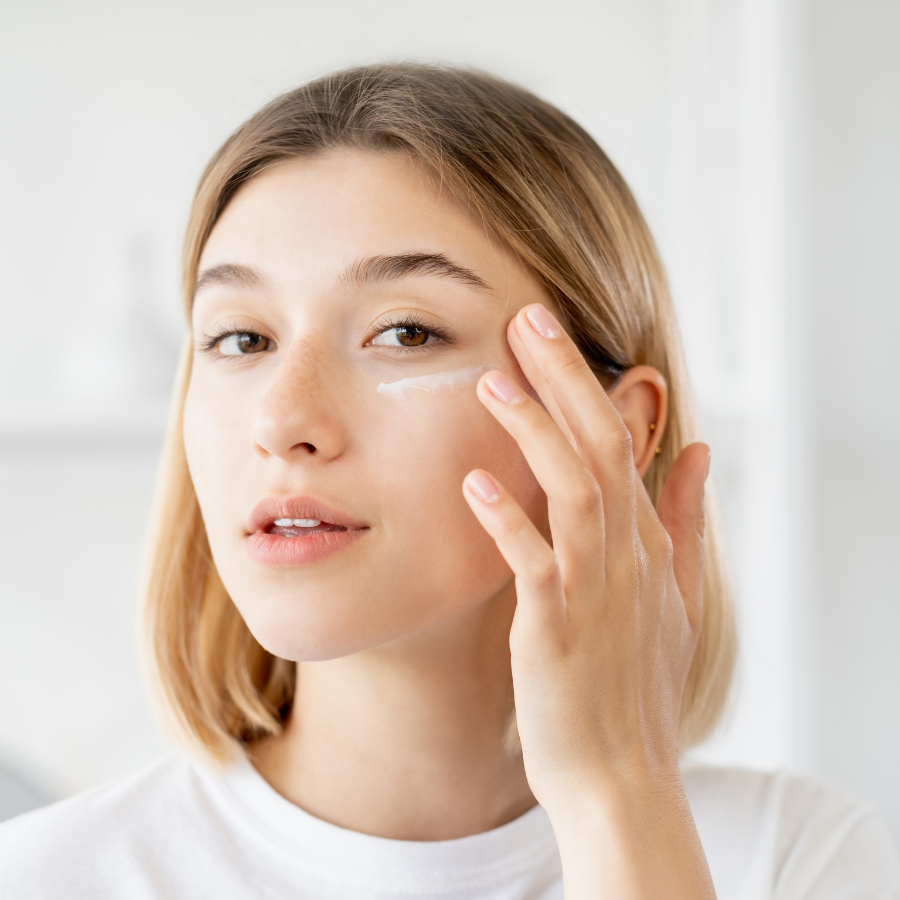
Hyaluronic acid as the key to water retention
Hyaluronic acid, commonly known as HA, is a naturally occurring substance in the body, especially abundant in the skin, joints, eyes, and connective tissues. Its most remarkable property is its ability to bind large amounts of water, helping the skin remain plump, elastic, and resilient.
However, HA levels are not constant throughout life. After the age of 25, natural HA production gradually declines. By around 50, more than half of the original HA content may be lost. At advanced age, the skin retains only a small fraction of its youthful HA levels. This decline explains why aging skin becomes drier, less elastic, and more prone to wrinkles.
For this reason, supporting HA levels is not merely a cosmetic concern, but a biological necessity as the skin ages.
Supporting natural HA production from within
Long-lasting hydration cannot rely on topical products alone. The body needs proper nutrients to support its own HA synthesis. Certain foods play an important role in this process.
Vitamin C is essential for HA and collagen synthesis, and is abundant in fruits such as oranges, strawberries, guava, and bell peppers. Zinc is another key mineral involved in HA production and can be found in seafood, cashew nuts, and seeds. Bone broth and soy-based foods provide nutrients that support connective tissue health and help maintain the skin’s natural moisture balance.
When a nutrient-rich diet is combined with oral HA supplementation, if appropriate, the skin is better supported from within, leading to visibly improved hydration and elasticity over time.
How to use topical HA effectively without drying the skin
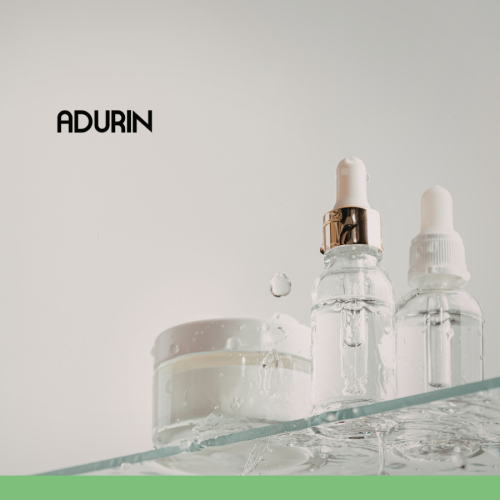
Topical HA is one of the fastest ways to relieve tightness and dehydration. However, when used incorrectly, it may worsen dryness rather than improve it. HA works by binding to water. If the surrounding environment lacks moisture, HA may draw water from deeper layers of the skin instead of from the surface, increasing dehydration.
To ensure effectiveness, the skin should be slightly damp before applying HA. Applying HA serum immediately after cleansing, while the skin still retains moisture, allows it to bind water effectively. In dry climates, misting the face or gently patting water onto the skin before HA application can further enhance hydration. Choosing HA products without drying alcohols is equally important to prevent moisture loss.
Combining HA with vitamin A for deeper skin renewal
In addition to external hydration, the skin benefits from being stimulated to produce HA naturally. Vitamin A, particularly in the form of retinol, promotes cell turnover and encourages the skin to generate its own HA. When used correctly, retinol helps improve skin thickness, smoothness, and elasticity.
Retinol is a powerful active ingredient and must be introduced gradually. Starting with a low concentration, using it at appropriate frequency, and applying daily sun protection are essential steps to minimize irritation. When HA and vitamin A are used together, the skin receives immediate hydration while also rebuilding its moisture-retaining capacity from within.
Rethinking hydration for long-term skin health
As Tet approaches, achieving smooth, radiant skin should not rely solely on applying more moisturizer. A comprehensive hydration strategy includes nourishing the body with proper nutrients, supporting natural HA production, using topical HA correctly, and incorporating vitamin A thoughtfully into the routine.
Plump, hydrated skin is not the result of a single product, but of consistent and informed care. When hydration is addressed at both biological and topical levels, the skin not only looks better for festive occasions, but remains healthier, stronger, and more luminous throughout the year.